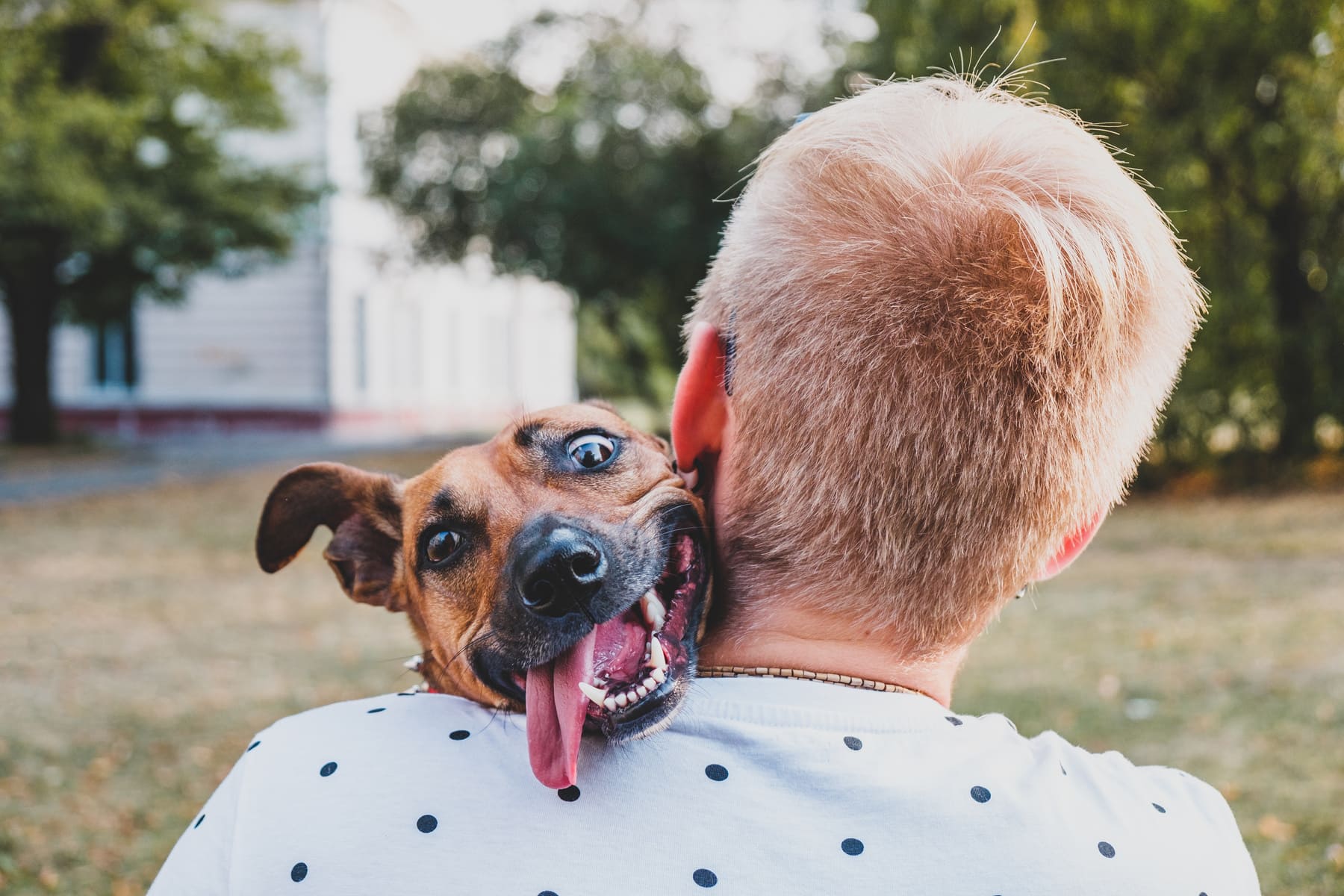


How to Train Your Rescued Dog in seven Simple Steps
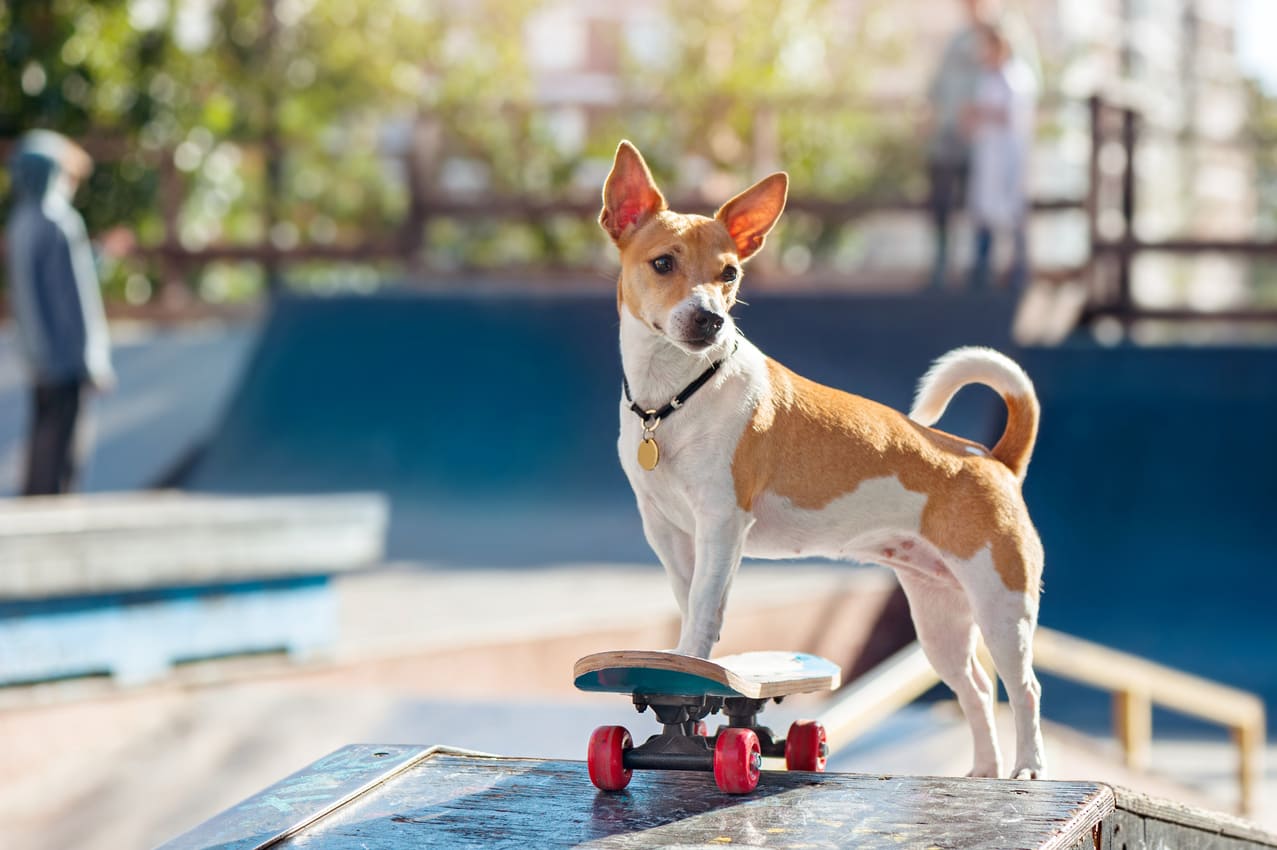
Turn your rescued dog into the perfect companion with these 7 simple, no-fuss training steps. Your dog will thank you for it!
Pet CareHow to Train Your Rescue Dog in 7 Simple Steps (No Magic Wand Required)
So, you’ve done something amazing—you’ve rescued a dog! First off, congrats, you beautiful human, you. Seriously, you’ve just gained a new best friend, a cuddle buddy, and potentially, a four-legged shadow. But let’s be real here. You probably didn’t rescue a dog that’s already trained, knows how to make coffee, and helps with the laundry. Nope. Chances are you’ve got yourself a furry whirlwind of chaos, and now you’re standing there like, “What did I just get myself into?”
I get it, trust me. Training a rescue dog can be an adventure. But it’s a rewarding one. I mean, who doesn’t love the idea of turning a doggo who might have had a rough start into the happiest, most obedient little furball in town? And the good news? You don’t need to be a professional trainer or some sort of dog whisperer. You just need a little patience, a sense of humor, and a lot of treats.
Step 1: Expect a Period of Adjustment (Patience, Grasshopper)
Let me hit you with some cold, hard truth right off the bat—your dog’s not going to transform overnight. I know, I know, it would be amazing if they walked in, instantly became besties with you, and followed every command. But, nope. That’s not how it works.
When you adopt a rescue dog, you’ve got to remember—they come with baggage. And not the cute, fashionable kind. Your new dog has probably had a rough past, maybe bounced around from place to place, or had a scary shelter experience. So, don’t expect them to immediately relax and behave like Lassie. Give them time to adjust. For some dogs, it’s a few hours. For others, it might be months. But with patience, they’ll slowly start to feel safe.
A neighbor’s dog of mine was like that. Poor thing barked at everything for weeks. A squirrel running across the yard? Bark. Someone opened the fridge? Bark. The mailman? Oh boy. Bark-fest 1910. But guess what? With patience and routine, that pup calmed down and became the sweetest thing.
Step 2: Set Boundaries Early (No Free Passes)
Here’s the deal—don’t let your dog walk all over you (figuratively or literally). When that rescue pup comes home, it’s tempting to shower them with love and treats because you feel bad they had a tough start. But remember, dogs need boundaries. If you let them think that chewing the couch is okay on day one, they’ll keep at it like a hobby.
Set rules early. Decide where they’re allowed to go in the house, where they sleep, when they eat, and so on. Establish those boundaries and stick to them, no matter how adorable those puppy eyes are. Trust me, future you will thank present you for this.
Also, can we talk about the dogs that bark at EVERYTHING?I once had a neighbor with a dog that barked every 10 minutes like clockwork. Why? I have no idea. But here’s the thing—if you don’t set boundaries early, you’ll end up with a nonstop barker, and trust me, your neighbors will start giving you the side-eye, just like I do to mine (and rightfully so). Honestly, what good is an apology? "Oh, I’m so sorry my dog barks all the time." Yeah, I know that! Don’t apologize—fix it!
Step 3: Get on a Schedule (Dogs Are All About Routine)
If there’s one thing dogs love, it’s a good routine. They thrive on predictability—it’s like their personal comfort blanket. So, if your new rescue dog seems a little on edge, it might be because they don’t know what’s coming next. And hey, wouldn’t you be anxious if every day felt like a guessing game?
Here’s what you need to do: set up a solid routine for feeding, walks, bathroom breaks, playtime, and sleep. Over time, this predictability will help your dog relax and feel more at home.
My friend’s rescue dog, Buster, was all over the place when he first arrived. No structure, no routine. He was basically a furry little tornado. But after a few weeks of sticking to a set routine, Buster chilled out. Now, he’s like clockwork, and life is good.
Step 4: Assume Your Dog Knows Nothing (Seriously, It’s Easier This Way)
I know it’s tempting to assume your new dog already knows the basics, but here’s a tip: assume they know nothing. Even if they were trained in the past, life in a shelter can mess with their memory, and they may need a refresher.
Start with the basics—sit, stay, come. Use positive reinforcement (aka treats and praise) and keep things low-stress. Don’t worry if they don’t get it right away. Just like humans, dogs need practice. And let’s be honest, training is a lifelong commitment. Even if they master “sit” today, they’ll need reminders tomorrow, next week, and probably next month.
Step 5: Crate Training – Your Dog’s Safe Space
Alright, I know crate training can sound a little harsh, but hear me out—it’s not about locking your dog away. It’s about giving them a safe space. Your dog’s been through a lot, and having their own little corner of the world (aka the crate) can help them feel secure. Think of it like a cozy den where they can retreat when things get overwhelming.
Now, if your dog’s had a bad crate experience in the past (I’m talking about owners who used it as punishment—ugh), take it slow. Make the crate a positive place, filled with comfy blankets and toys, and never use it as a timeout zone.
Crate training also works wonders for housebreaking. You won’t have to worry about finding little surprises around the house because your dog will learn that the crate is their personal spot, not a bathroom.
Step 6: Enroll in Obedience Classes (Yes, Even You)
Look, I’m all about the DIY dog training life. But sometimes, it’s nice to get a little help from the pros. Obedience classes can be a game-changer for both you and your dog. Not only do they help with commands, but they also help your dog get used to being around other dogs and people.
It’s also a great way to establish some structure. Dogs crave it, and as much as they love you, having a professional trainer involved can fast-track the process. And guess what? You get to show off your dog’s progress at the end of each class. Plus, you might make a few dog-loving friends along the way.
Step 7: Tackle Behavior Issues Head-On (Barking, Jumping, and General Mayhem)
I know what you’re thinking. “But what if my rescue dog has some bad habits?” Don’t worry. You can break them with time and patience.
Take barking, for example. My neighbor’s dog. And don’t even get me started on untrained dogs at social gatherings. Let me tell you about this one time I was at a friend’s dinner party. I was wearing a white dress, feeling all fancy, when in comes my friend’s dog—Jumbo. And true to his name, this was no lap dog. Before I could even process what was happening, Jumbo jumps up on me, plants his two dirty paws right on my chest, straight onto my… well, melons. So, there I am, looking ridiculous, with two giant paw prints on my dress. Needless to say, I didn’t dance that night. I just wanted to go home and figure out how to clean my silky dress. Now tell me that dog couldn’t have used some training on boundaries!
If your dog has similar tendencies, don’t panic. The key is to redirect their attention to something positive. Whenever your dog barks at something they shouldn’t, give them a command they know and reward them when they obey. It’s all about teaching them that good behavior equals rewards.
And remember, positive reinforcement is your best friend. Punishing your dog will only confuse them, so keep the vibes upbeat, even when they’re being a little (or a lot) annoying.
Some People Just Don’t Get It (And Their Dogs Suffer)
I’ve seen way too many cases where dogs are treated poorly, chained up all day long, or left to their own devices with no love or training. It breaks my heart. These dogs are often the ones that run away because they’re desperate for attention or freedom. There are no bad dogs, only dogs who haven’t been trained, loved, or cared for properly. And if you’re reading this, I know you’re not that kind of dog owner.
So, do your part. Train your dog, show them love, and give them the structure they need. They’ll repay you tenfold with loyalty, companionship, and maybe even a few party tricks (hey, “roll over” is always a crowd-pleaser).
You Got This!
Training a rescue dog is no walk in the park (okay, maybe it involves a lot of walks in the park, but you get what I mean). It takes patience, consistency, and a good sense of humor. But trust me, the bond you’ll form with your dog along the way is worth every single second.
And hey, if you ever feel stuck, need a little advice, reach out to a Dog Trainer from Allfeito. We want you and your dog to succeed because a happy, well-trained dog makes the world a better place (and saves your neighbors from the endless barking).
So go on, get started with these seven simple steps. You’ve got this, and your rescue pup is going to be the best dog ever. And if they still bark at flies, well, get the Pros In.
Echos
Put Lingering thoughts
Login to post a comment.
Loading comments...
Not every silence needs to be filled.
Unspoken minds leave no trace… or not yet.