


I Put Coffee Grounds in My Soil, and My Plants Have Never Looked Better ...
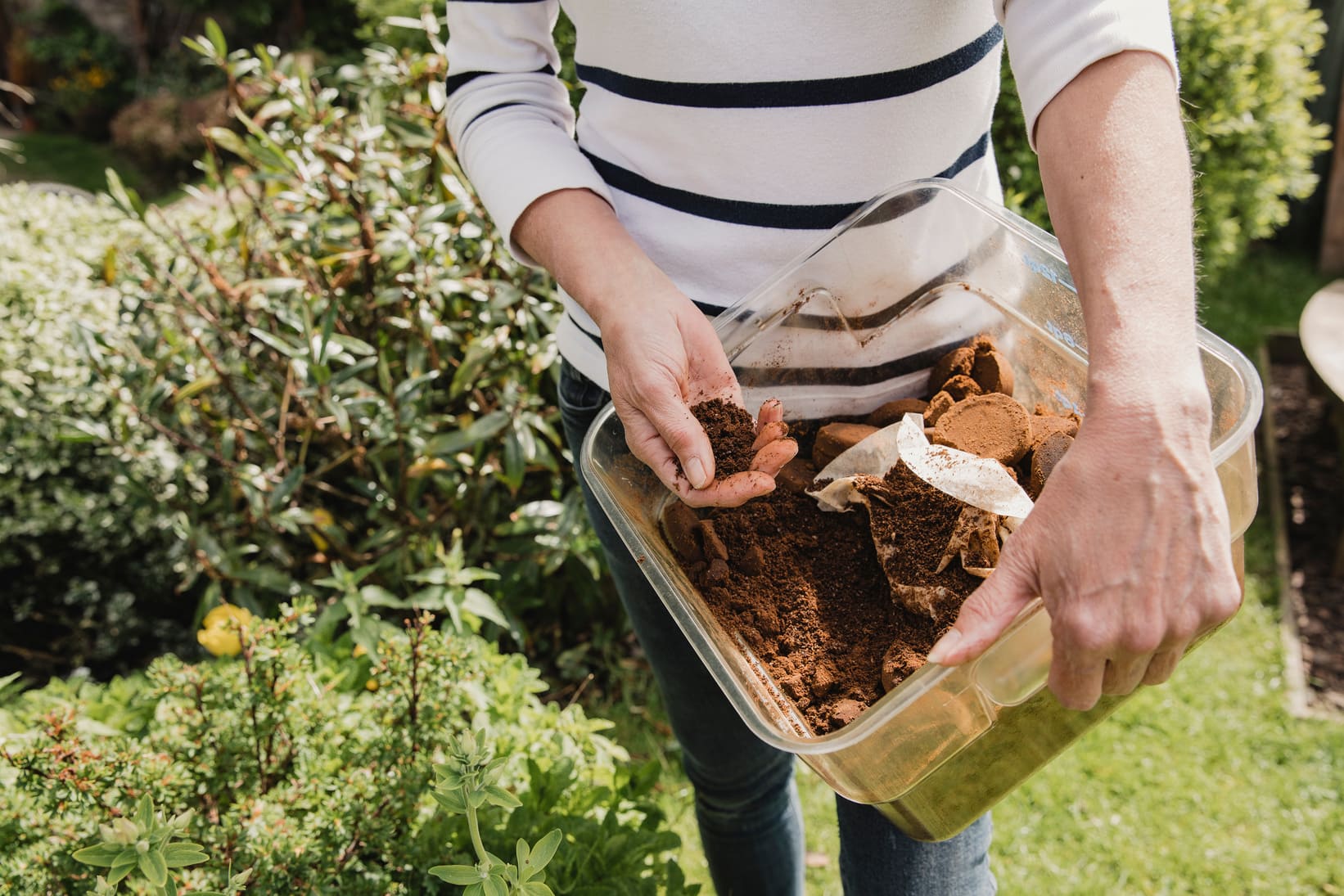
Want lush, thriving plants? Discover how coffee grounds can work wonders in your garden—your plants will thank you for it!
GardeningCoffee For Plants, Yes!
Okay, let’s talk about coffee. We all love it, right? It wakes us up, keeps us going, and gives us that extra kick to power through the day. But guess what? That magical brew you rely on in the morning can do wonders for your garden, too! Yep, I’m talking about using coffee grounds in your soil. I did it, and my plants have never looked better. So, let me spill the beans (pun intended) on how you can use those old coffee grounds in your garden and make your plants thrive!
Why Should You Even Bother with Coffee Grounds?
Before you start thinking, “Come on, is this really a thing?” let me tell you: Yes, it absolutely is. Coffee grounds are packed with nutrients that plants love. Think of them as a power snack for your plants—a little boost of nitrogen, potassium, and phosphorus. These are the same nutrients found in store-bought fertilizers, but instead of shelling out cash, you're recycling something you already have. Genius, right?
And let’s not forget that coffee grounds are organic. That means no chemicals, no synthetic stuff—just good ol’ Mother Nature giving your plants a hand.
Can Coffee Grounds Be Used as Fertilizer?
Short answer: Yes. Long answer: Heck yes, but there’s a bit more to it than just tossing them into the soil and calling it a day. Like with anything, moderation is key. You don’t want to overwhelm your plants with too much at once, because that can throw off the balance of nutrients. I like to think of it like this: You wouldn’t eat five bowls of pasta in one sitting (at least, I hope not), so don’t expect your plants to handle a huge dump of coffee grounds either.
Here’s what coffee grounds bring to the table:
Nitrogen: Encourages leafy growth, which is perfect for all your green beauties.
Phosphorus and Potassium: These are essential for overall plant health, helping with root development, flowering, and fruiting. Think of them as the multivitamins your plants need.
But wait, there’s more! Coffee grounds also improve the texture of your soil. They help it retain water better while improving drainage. So whether you’re dealing with sandy or clay-like soil, coffee grounds can be a game-changer.
How to Use Coffee Grounds as Fertilizer
So, now you’re probably wondering, “How do I actually do this?” Easy peasy! Let’s break it down:
The Coffee Grounds Fertilizer Recipe
Here’s the simple recipe I use for my plants, both indoors and out:
Ingredients:
· 4–6 tablespoons used coffee grounds (yep, the ones sitting in your coffee maker after you brew)
· 1 teaspoon cinnamon
· 1 cup club soda
Mix all these ingredients together until combined. The cinnamon acts as a natural insect repellent and helps with root growth. Plus, it smells great! The club soda? Well, it’s not just for cocktails. It contains macronutrients like carbon, hydrogen, oxygen, phosphorus, potassium, sulfur, and sodium. These elements all play a role in making your plants look lush and vibrant.
Once you’ve got your mixture, simply use it on your plants every two weeks. It’s like giving them a little energy drink (without the crash, of course).
Pro Tip: Composting Coffee Grounds
If you’re into composting (and you totally should be), coffee grounds make a great addition to your compost pile. They break down quickly and provide much-needed nitrogen. Plus, the worms in your compost will love them. Happy worms = happy soil = happy plants. It’s the circle of life.
The Water Whisperers: Coffee Grounds for Moisture Retention
Your thirsty plants will be forever grateful. Coffee grounds, once composted, can turn your soil into a moisture-retaining sponge. They improve the soil's ability to hold water, keeping your plants hydrated longer. But beware, if your garden already looks like a swamp, it’s probably best to skip the grounds for now or try them with water-loving plants like lilies.
The Fungus Fighters: Coffee Grounds to Combat Root Rot
In the fight against root rot, coffee grounds are your garden’s secret weapon. The beneficial fungi and bacteria that thrive in composted coffee grounds fend off the harmful ones, like Fusarium and Pythium. It’s a microbial battle royale, and trust me—your plants will come out on top.
The Slug Slaying Brew: Coffee Grounds vs. Slugs
Picture this: a slug stumbles upon your coffee grounds, takes a sip, and—poof—it’s gone! Okay, maybe it’s not that dramatic, but studies show that a coffee grounds and water mixture can deter slugs from invading your garden. So, next time you see those slimy pests, grab some coffee grounds and watch them flee. Time to channel your inner barista and brew up a slug-repellent potion!
What Plants Love Coffee Grounds?
Now, let’s get one thing straight—while most plants will appreciate a coffee ground snack, not every plant is a coffee fan. Acid-loving plants like blueberries, roses, azaleas, and hydrangeas are particularly fond of coffee grounds because they help create a slightly acidic soil environment, which these plants love.
On the flip side, if you have plants that prefer more alkaline soil (like lavender or thyme), it’s best to avoid using coffee grounds directly on them.
My Garden Transformation
I used to struggle with my garden. I tried everything—store-bought fertilizers, fancy plant food, you name it—but nothing seemed to work. My plants were dull, and my soil was like concrete. That’s when I stumbled upon the whole “coffee grounds in the soil” thing.
At first, I was skeptical. I mean, it sounded too good to be true. But I figured, “What the heck, I drink enough coffee, might as well put the grounds to use.” So I mixed up my little coffee-ground concoction, and boom! After a few weeks, I noticed my plants were greener, fuller, and just healthier overall. My roses were blooming like never before, and my tomatoes? Let’s just say they went from meh to magnificent. Now, coffee grounds are my go-to secret weapon in the garden.
Coffee Grounds for Indoor Plants? You Bet!
Don’t think this is just for the outdoor garden crew. Your indoor plants want in on the action too! The best part? You don’t even need to wait for warm weather. Just sprinkle a little bit of coffee grounds into the soil of your indoor plants, and they’ll thank you.
For example, I’ve got this little snake plant in my living room. It was doing fine, but nothing spectacular. I added some coffee grounds to its pot, and a couple of weeks later, it was looking shinier, taller, and just more... alive. You don’t need to go crazy with it—just a tablespoon or two every month, and your houseplants will be living their best lives.
A Few Things to Watch Out For
Now, I wouldn’t be doing my job if I didn’t mention a few things to be cautious about when using coffee grounds.
Don’t Overdo It: Too much of a good thing can be bad. Coffee grounds are acidic, so using too many can mess with your soil's pH balance. A little goes a long way.
Avoid Fresh Grounds: Always use used coffee grounds. Fresh ones are too acidic and could harm your plants instead of helping them. Brew your coffee first, and then let the grounds cool before using them.
Pests: While cinnamon helps to repel some insects, too many coffee grounds can attract others, like fruit flies. Keep an eye on your garden, and if you notice unwanted guests, cut back on the coffee grounds.
Fun Stats and Research on Coffee Grounds in Gardening
Now, if you’re a bit of a numbers person like I am, you’ll appreciate this. According to research, coffee grounds are roughly 2% nitrogen by volume. That might not sound like much, but in the world of plants, that’s gold. Studies have shown that plants fed with coffee grounds often show a 20-30% improvement in growth compared to those not using them.
And get this: A study by the University of California found that adding coffee grounds to your soil can reduce water consumption by up to 25%. That’s right—your plants not only grow better, but they also require less water. Now that’s what I call efficiency!
Final Thoughts: Coffee Grounds, Your New Gardening Bestie
So, the next time you’re about to toss those old coffee grounds into the trash, think again. Your plants are practically begging for a caffeine boost! Whether you’ve got a sprawling garden or a few indoor plants, coffee grounds can give your greenery the nutrients they need to thrive. And hey, if it worked for me, I’m pretty sure it’ll work for you too.
So, go ahead—share your morning coffee with your plants, and watch them grow like never before. I promise, you’ll see the difference! Just remember, moderation is key, and always keep an eye on how your plants are reacting. And who knows? You might just end up with the best-looking garden on the block.
Happy gardening!
Echos
Put Lingering thoughts
Login to post a comment.
Loading comments...
Not every silence needs to be filled.
Unspoken minds leave no trace… or not yet.Where the Thought Wanders Next
20 Tips for Creating a Stunning, Low-Maintenance Garden
Create a stunning, low-maintenance garden with these 20 expert tips. Learn...
How to Create the Perfect Vegetable Garden
Learn how to create the perfect vegetable garden with this ultimate guide....

I Changed the Color of My Hydrangeas with This Simple Trick!
Discover the surprising, simple hack that can transform your hydrangeas int...